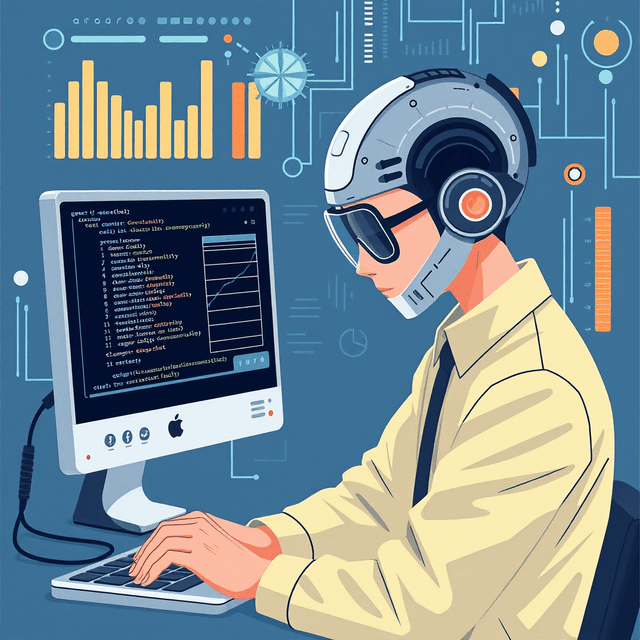
OpenAI just pushed gpt-image-2 to the production line. On paper, it is a 2K resolution powerhouse with eight-image batch consistency. In practice, it marks a pivot in how we define "performance" in generative vision. The update, branded as ChatGPT Images 2.0, officially landed yesterday, and it signals that the era of the "lucky prompt" is being replaced by the era of the planned pixel.
The Score
The headline specs are competitive: 2K resolution, aspect ratios ranging from 3:1 to 1:3, and a "Thinking Mode" that brings agentic reasoning to the diffusion process. This isn't just a weight increase or a cleaner dataset. It’s an architectural shift. By allowing the model to "think" before it generates, OpenAI is attempting to solve the spatial logic problems that have haunted diffusion models since their inception.
The Context
For the last two years, the leaderboard has been a split decision. Midjourney took the crown for aesthetics; Flux and its descendants took the crown for prompt adherence; DALL-E 3 stayed in the game because it was the only one that actually understood what a "blue cube behind a red sphere on the left side of a mahogany table" meant.
But DALL-E 3 was starting to look its age. The textures were too smooth, the text was hit-or-miss, and it lacked the professional-grade control required for actual work. gpt-image-2 is the response. It’s OpenAI moving out of the "cool toy" phase and into the "functional asset" phase.
The Number That Matters
Ignore the resolution bump. The number that matters is the multilingual script support—specifically for non-Latin characters like Bengali, Hindi, and Japanese. Rendering legible text in English is a spatial challenge; rendering it in scripts with complex ligatures and stroke orders is a reasoning challenge.
By integrating a "Thinking Mode," the model doesn't just guess where the pixels go. It plans the layout. This is the first time we’ve seen a major lab treat an image generator like a reasoning agent rather than a probabilistic paintbrush. The result is a model that can finally build a usable infographic or a UI mockup without the "hallucinated gibberish" that usually kills the utility of AI-generated visuals.
The Question Behind the Score
Benchmarks for image models are notoriously subjective. We use Elo ratings based on human "vibe checks." But ChatGPT Images 2.0 asks a different question: Who decided that "better" means "more photorealistic"?
OpenAI is betting that utility is the real metric. They aren't chasing the most beautiful sunset; they are chasing the most accurate diagram. By prioritizing text rendering and multilingual accuracy, they’ve decided that the benchmark of the future isn't how the image looks, but how much information it can reliably carry. They are trading the "art" of AI for the "engineering" of AI.
The numbers say the resolution is higher. Note what they don’t say: whether a model that "thinks" about its art still feels like art at all.
Filed.