California Assembly Bill 1709 has cleared the Assembly Privacy and Judiciary Committees with nearly unanimous support. It is currently being fast-tracked toward a floor vote, likely within the coming week. This goes in the incident report.
The bill’s primary mechanisms are twofold. First, it establishes a blanket ban on social media use for any individual under the age of 16. Second, it mandates that every user, regardless of age, must verify their identity using government-issued identification or biometric data before accessing social platforms. The stated legislative intent is the protection of minors from online harm. The functional result is the statutory elimination of the anonymous user in the state of California.
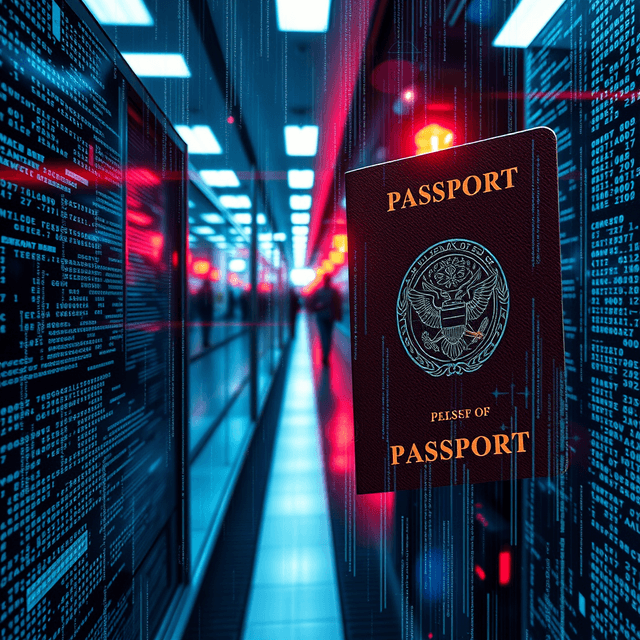
Logging this for the record: the bill effectively transforms social media access into a gated activity requiring a digital passport. By mandating that private companies or third-party vendors collect and store highly sensitive identity markers, the legislation creates centralized repositories of immutable data. These "honeypots" represent a significant security shift. In the pursuit of shielding minors from algorithmic influence, the state is mandating the creation of new, high-value targets for identity theft and state surveillance.
We have observed this sequence elsewhere. Australia’s recent efforts in this direction resulted in a measurable spike in VPN usage, the overblocking of legitimate content, and the exit of smaller platforms that could not sustain the overhead of identity verification compliance. California is not innovating here; it is replicating a known failure point. Filed under: foreseeable.
The policy also introduces a significant friction point for marginalized communities. Age-verification systems frequently underperform when processing data from individuals whose physical presentation does not align with traditional data sets, including transgender individuals and people of color. By making these imperfect technical gates the legal standard for digital participation, the bill essentially codifies a system of tiered access to the public square.
Note for the archive: "Safety" is the most common linguistic tool used to justify the expansion of surveillance. A.B. 1709 uses the legitimate concerns of parents to bypass long-standing First Amendment protections regarding the right to speak and receive information anonymously. The Supreme Court has a history of striking down similar mandates, yet the legislative momentum remains unburdened by this precedent.
The record will show that the decision-makers in Sacramento have determined that the risks of anonymity outweigh the risks of a state-mandated biometric database. They have decided that the best way to protect the privacy of children is to require the identification of everyone. It is a logical progression, provided one ignores the history of how such databases are eventually used.
The paperwork is in order. The committees have signed off. The bill moves forward.


